Ignoring signal integrity issues like noise, switching speed, impacts of resistance and capacitance compared to PCB and soldering, yes you could make a memory module that operates at slow speeds using a bread board. I think most hardware engineering students would have wired up memory chips on a breadboard (my school did anyway for applying memory mapped hardware), granted those weren’t to any particular PC spec.
Before you think “why doesn’t someone make open source PCB for modern RAM to help the shortage”, the shortage issue is with the memory chips that go on the PCBs, not the boards themselves. What this does mean is that someone could in theory find cheap broken memory modules and combine their working parts to make good memory modules.


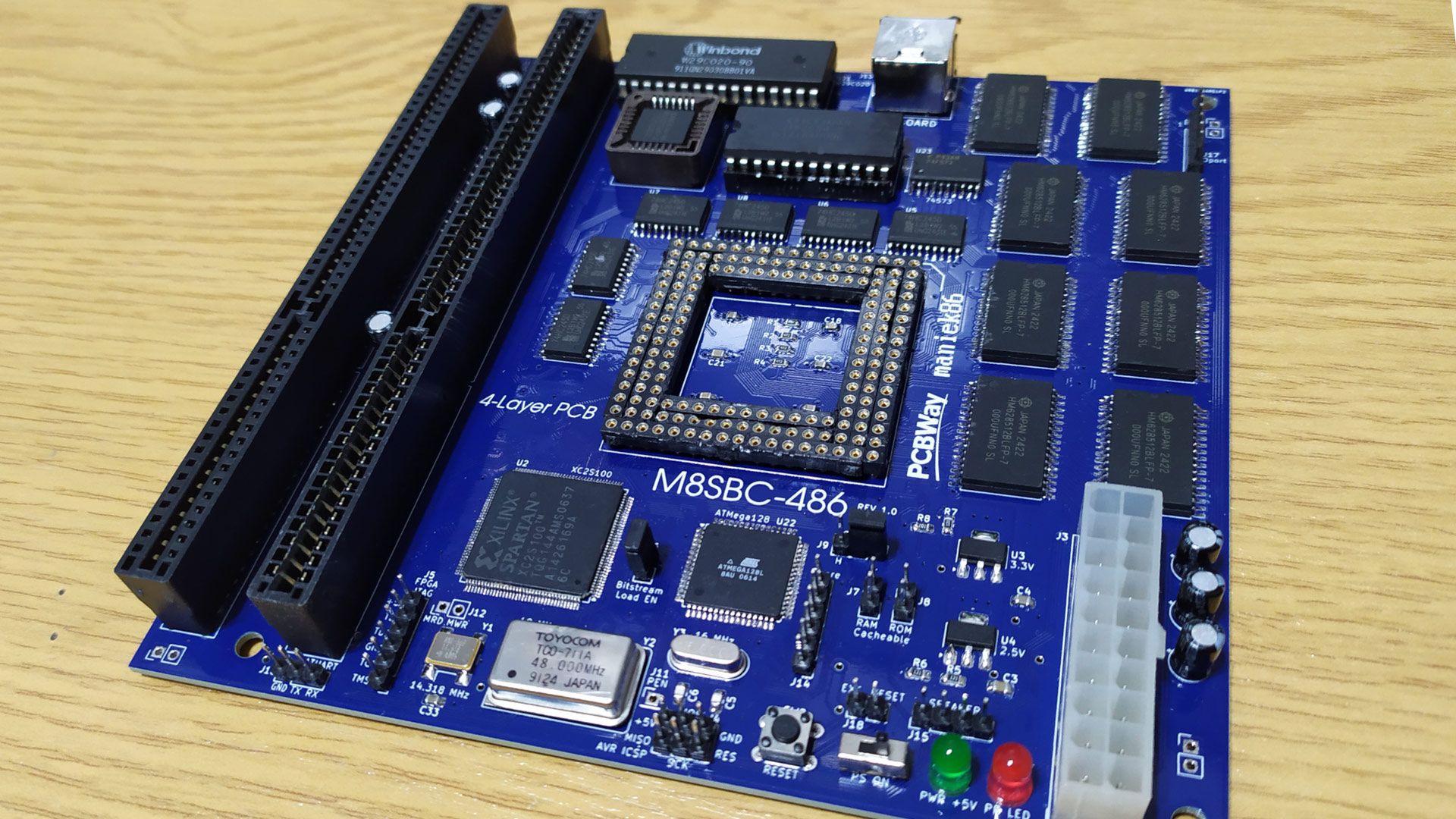
Ignoring signal integrity issues like noise, switching speed, impacts of resistance and capacitance compared to PCB and soldering, yes you could make a memory module that operates at slow speeds using a bread board. I think most hardware engineering students would have wired up memory chips on a breadboard (my school did anyway for applying memory mapped hardware), granted those weren’t to any particular PC spec.
Before you think “why doesn’t someone make open source PCB for modern RAM to help the shortage”, the shortage issue is with the memory chips that go on the PCBs, not the boards themselves. What this does mean is that someone could in theory find cheap broken memory modules and combine their working parts to make good memory modules.